

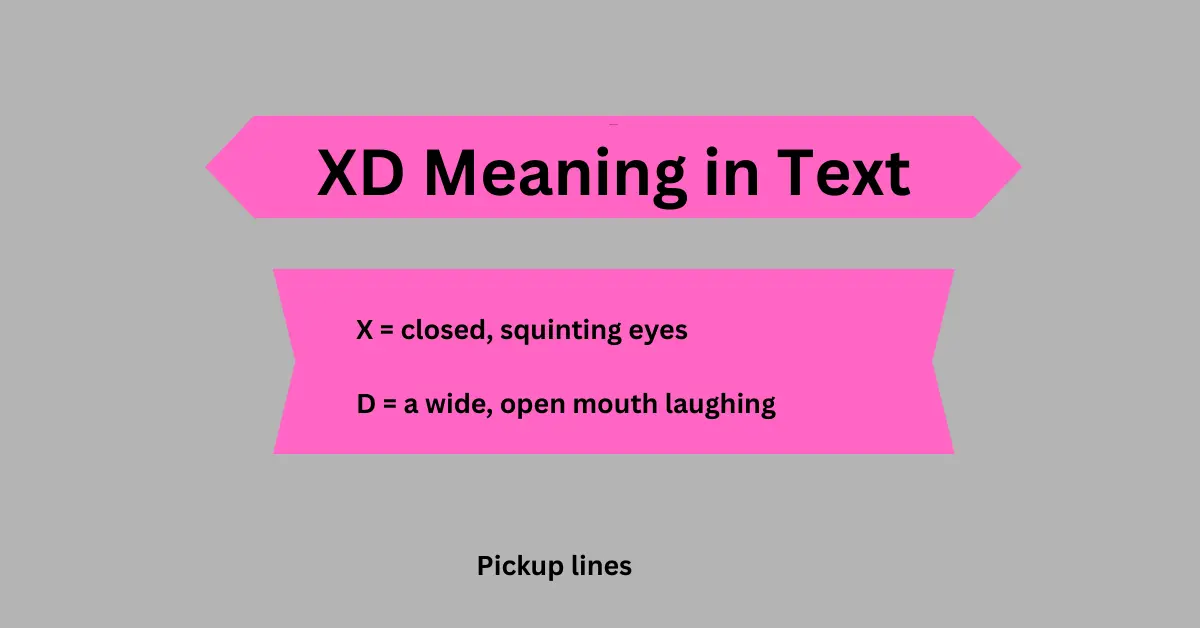
1. Why People Search “XD Meaning in Text”
People search “XD meaning in text” because the expression looks simple but behaves differently across contexts. It is not a word, not an emoji, and not a typo, yet it carries emotion, intent, and tone in digital conversations.
In 2026, texting habits are faster, more visual, and more platform-dependent than ever. Users jump between WhatsApp, Instagram, Discord, Slack, in-game chats, and AI-assisted messaging tools. In that environment, short expressions like XD survive because they compress emotion into two characters.
At the same time, many readers encounter XD without growing up in early chat culture. Younger users see it as outdated. Older users still use it instinctively. Non-native English speakers often misunderstand it completely.
This article explains exactly what XD meaning in text is, how it works, when it feels friendly or awkward, and why it still exists in modern digital language. By the end, you will know when to use it, when to avoid it, and how to read the intent behind it with confidence.
2. What Does “XD Meaning in Text” Mean?
XD in text represents laughter.
More specifically, it visually imitates a laughing face.
- X = closed, squinting eyes
- D = a wide, open mouth laughing
Literal Meaning
“XD” literally depicts someone laughing hard, often more exaggerated than “haha.”
Implied Meaning
Depending on context, XD can imply:
- Amusement
- Playfulness
- Sarcasm
- Light embarrassment
- Emotional softening of a message
What It Does Not Mean
- It is not an acronym.
- It does not stand for words.
- It is not random typing.
- It is not equivalent to “LOL” in all contexts.
Many people assume XD always means something is extremely funny. In reality, it often functions as a tone marker, not a laughter rating.
3. Is “XD” a Slang, Typo, or Intentional Usage?
Slang Usage Explanation
Yes, XD is internet slang, but it is a visual slang symbol, not a verbal one. It belongs to the same category as emoticons like :), :P, and ;).
Typing Behavior and Keyboard Influence
XD originated when:
- Emojis were not universally supported
- Mobile keyboards were limited
- Users needed fast emotional indicators
Because it uses standard keyboard characters, it spread quickly across SMS, MSN Messenger, IRC, and early gaming chats.
Intentional Stylistic Usage
In 2026, when emojis are easy to access, using XD is a deliberate stylistic choice. People use it to:
- Sound casual
- Signal irony
- Show playful distance
- Reference older internet culture
How to Tell the Difference Using Context
- Repeated use → intentional tone
- Mid-sentence placement → emotional softener
- End of message → friendliness cue
- Professional chat → potentially informal or awkward
4. Origin and Evolution of “XD” in Digital Communication
Early Chat and SMS Influence
XD gained popularity in the early 2000s on:
- MSN Messenger
- Yahoo Chat
- IRC
- SMS texting
At the time, emoticons were the only way to show emotion in plain text.
Social Media and Instant Messaging Evolution
As platforms evolved:
- XD moved from necessity to style
- Emojis replaced function but not identity
- Gamers and online communities kept it alive
How Younger Generations Shaped Usage
Gen Z and Gen Alpha:
- Recognize XD as “old internet”
- Use it ironically or humorously
- Associate it with millennial humor
Why It Still Exists in 2026
XD survives because:
- It loads instantly
- It works across all platforms
- It signals personality, not just emotion
- It differentiates tone without visual clutter
5. Real-World Usage Scenarios (Detailed Examples)
a) Casual Friend Conversations
Example:
“That video you sent me was wild XD”
Tone: Friendly, amused
Function: Reinforces laughter without sounding dramatic
b) Workplace and Professional Chat
Example (informal team):
“We survived the deadline XD”
Tone: Light relief
Risk: Can feel unprofessional in formal workplaces
Example (formal team):
“Thanks, XD.”
This feels awkward and should be avoided.
c) Social Media, Gaming, and Online Communities
Gaming Chat Example:
“I fell off the map again XD”
Tone: Self-deprecating humor
Function: Signals acceptance of failure
Comment Section Example:
“That plot twist caught me off guard XD”
Here, XD softens opinion and invites engagement.
6. Emotional Tone and Intent Behind “XD”
Friendly Tone
Used after jokes or shared experiences.
Neutral or Lazy Tone
Sometimes replaces genuine reaction when the sender has nothing else to add.
Awkward Tone
Occurs when:
- Overused
- Used in serious discussions
- Used with strangers unexpectedly
Punctuation and Emoji Effects
- “XD!” → louder, exaggerated laughter
- “xd” → ironic or intentionally flat
- “XD 😂” → redundant but expressive
When It Feels Warm vs Careless
Warm when paired with context.
Careless when used alone or repeatedly.
7. Cultural and Regional Differences in Usage
Native vs Non-Native English Speakers
Non-native speakers often:
- Use XD more frequently
- Prefer it over word-based laughter
- Misjudge formality levels
Regional Texting Habits
- Asia and Europe: XD is common and neutral
- US and UK: Seen as casual or dated
- Gaming communities: Universally accepted
Cross-Platform Adoption
XD behaves differently on:
- Slack (informal teams only)
- Discord (very common)
- WhatsApp (casual only)
- Email (almost never appropriate)
8. “XD” Compared With Similar Texting Terms
| Term | Meaning | Tone | Formality | Best Use Case |
|---|---|---|---|---|
| XD | Visual laughter | Playful | Low | Casual chats |
| LOL | Laughing | Neutral | Low-Medium | General texting |
| 😂 | Strong laughter | Expressive | Low | Emotional reactions |
| haha | Mild laughter | Natural | Medium | Mixed contexts |
| lmao | Intense laughter | Informal | Very Low | Close friends |
| 😛 | Teasing | Playful | Low | Joking tone |
9. Common Misunderstandings and Mistakes
Misinterpretation
Some readers think XD:
- Means sarcasm only
- Means mockery
- Is dismissive
Context usually disproves this.
Autocorrect and Keyboard Issues
Auto-capitalization can turn:
- “xd” into “XD”
- Changing perceived intensity
Overuse Problems
Using XD after every message:
- Weakens emotional impact
- Makes tone feel lazy
- Can annoy readers
How to Avoid Confusion
- Use sparingly
- Pair with clear wording
- Match platform norms
10. Is “XD” Polite, Rude, or Unprofessional?
Relationship-Based Analysis
- Friends → Polite
- Coworkers → Situational
- Clients → Risky
Context-Based Analysis
- Jokes → Fine
- Apologies → Inappropriate
- Instructions → Unprofessional
Professional Etiquette Guidance
Avoid XD in:
- Emails
- Performance feedback
- Customer service
- Legal or medical communication
11. Expert Linguistic Insight: Text Language in 2026
Digital slang evolves through:
- Efficiency
- Identity signaling
- Community norms
Abbreviations persist because:
- They reduce cognitive load
- They convey tone faster than words
- Grammar is secondary to intent
XD remains because it occupies a space between emoji and language. It is emotional shorthand.
12. How and When You Should Use “XD”
Do’s
- Use with friends
- Use in gaming or casual chats
- Use to soften light humor
Don’ts
- Do not use in formal writing
- Do not use with strangers by default
- Do not replace real reactions repeatedly
Safer Alternatives
- “Haha”
- 😂
- “That made me laugh”
13. FAQs About “XD Meaning in Text”
Q1: Does XD mean laughing?
Yes. It represents a laughing face.
Q2: Is XD outdated in 2026?
It is older but still actively used in casual spaces.
Q3: Is XD rude?
No, but it can feel careless in serious contexts.
Q4: What is the difference between XD and LOL?
XD is visual and playful. LOL is verbal and neutral.
Q5: Can XD be sarcastic?
Yes, depending on context and placement.
Q6: Should I use XD at work?
Only in informal teams where tone is relaxed.
Q7: Why do gamers still use XD?
It is fast, expressive, and culturally ingrained.
Q8: Is “xd” different from “XD”?
Lowercase often signals irony or emotional flatness.
14. Final Summary and Key Takeaways
XD meaning in text is simple on the surface but rich in function. It represents laughter, but more importantly, it signals tone, intent, and personality.
In 2026, XD survives not because it is efficient, but because it is expressive. Used correctly, it adds warmth and playfulness. Used poorly, it creates confusion or appears unprofessional.
Understanding context is everything. Read the relationship, platform, and emotional weight of the message before interpreting or using XD.
When you do that, XD becomes clear, harmless, and human.