

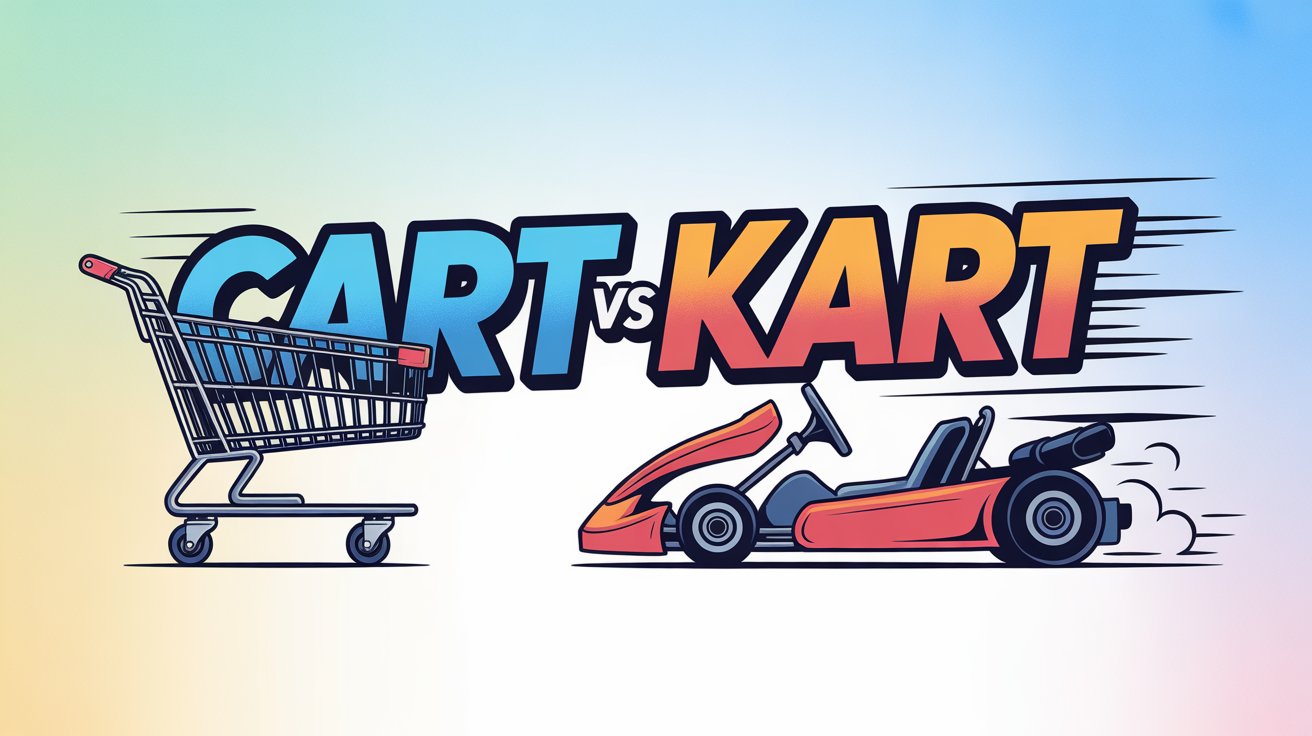
Why People Search “Cart vs Kart”
In the age of instant messaging, social media, and mobile typing, users often encounter “Cart vs Kart” in texts, forums, and online discussions. At first glance, it seems like a simple spelling variation, but confusion arises because each term carries slightly different meanings depending on context.
People search this term for multiple reasons: some are curious about the literal definitions, others want to decode slang usage, and many are unsure if it’s a typo, a brand reference, or a playful twist in texting. Modern communication habits in 2026, especially on platforms like TikTok, Discord, and WhatsApp, have created an environment where phonetic spellings, playful variations, and abbreviations are common.
By the end of this article, you’ll understand the exact meanings of cart and kart, their usage in digital conversation, regional and cultural nuances, and how to use them effectively without confusion.
What Does “Cart vs Kart” Mean in Text?
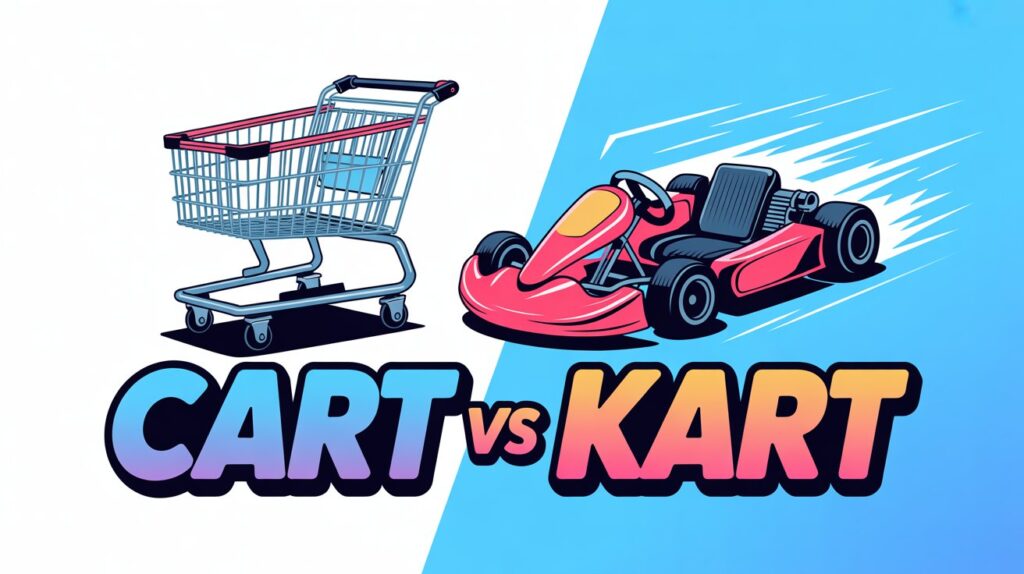
Literal Meanings
- Cart: Traditionally, a cart refers to a vehicle with wheels used for carrying goods or passengers. Examples include shopping carts, horse-drawn carts, and luggage carts. In digital conversation, cart is often associated with e-commerce, like “Add to cart” on online shopping platforms.
- Kart: Kart is usually a reference to small racing vehicles, such as go-karts. It is also widely used in gaming contexts, like Mario Kart. While it shares the same pronunciation as “cart,” the meaning is distinct.
Implied Meanings in Text
- Cart: Can metaphorically represent adding or collecting items, options, or even ideas. Example: “I just carted all the files I need for work.”
- Kart: Often implies speed, fun, or gaming culture. Example: “We’re going karting this weekend!”
When It Does NOT Mean What People Assume
Some users assume “kart” is a typo for “cart,” especially in professional or e-commerce contexts. Conversely, using “cart” in a gaming chat might confuse the reader. Understanding the context is crucial.
Is “Cart vs Kart” a Slang, Typo, or Intentional Usage?
Slang Usage
In online gaming and youth culture, “kart” is intentionally used as slang to denote go-kart racing or fast-paced gaming activities. It is not a mistake but a recognized lexical variation.
Typing Behavior & Keyboard Influence
Keyboard autocorrect, mobile predictive text, and phonetic spelling habits contribute to the interchange of cart and kart. For example:
- Phonetic substitution: Users replace “c” with “k” to match pronunciation.
- Casual texting: Typing shortcuts often omit clarity in favor of speed.
Intentional Stylistic Usage
Using “kart” instead of “cart” can signal playfulness, gaming culture affiliation, or youth-oriented branding. Contextual clues—like emojis 🎮 or 🏎️—help readers distinguish intent.
Origin and Evolution of “Cart vs Kart” in Digital Communication
Early Chat & SMS Influence
In the early 2000s, character limits on SMS encouraged abbreviations, phonetic spellings, and simplified typing, setting the stage for cart/kart variations.
Social Media and Instant Messaging Evolution
Platforms like Facebook, Instagram, Discord, and TikTok amplified playful spellings. Memes and challenges frequently used “kart” to emphasize speed, fun, or nostalgia (e.g., retro go-kart games).
Influence of Younger Generations
Gen Z and Alpha users popularized the intentional use of phonetic substitutions, making “kart” trendy in gaming, lifestyle, and social media posts.
Why It Still Exists in 2026
Even with advanced predictive keyboards, cultural momentum keeps “kart” alive, especially in contexts where tone, playfulness, and brand alignment matter.
Real-World Usage Scenarios
a) Casual Friend Conversations
Tone: Playful, informal
Example Messages:
- “Let’s grab the karts this weekend! 🏎️”
- “I just added all those shoes to my cart 😅”
Analysis: “Cart” often refers to collecting items or plans, while “kart” emphasizes activity and excitement.
b) Workplace & Professional Chat
Tone: Formal to semi-formal
Example Messages:
- Formal: “Please review the cart of documents before Friday.”
- Informal Team Chat: “Team, we’re racing karts after work—anyone in?”
Analysis: Professional context favors “cart” for literal, business-related use. Using “kart” might feel out of place unless it references a team-building activity.
c) Social Media, Gaming, and Online Communities
Tone: Casual, trend-driven
Example Messages:
- Gaming Forum: “Which kart has the best drift in the latest Mario Kart?”
- Instagram Caption: “Shopping spree alert! All in my cart 🛒💸”
Analysis: Platforms dictate the appropriate term; emojis and hashtags help clarify intent.
Emotional Tone and Intent Behind “Cart vs Kart”
Friendly vs Neutral vs Awkward Tone
- Friendly: Adding emojis or exclamation points: “Let’s hit the karts! 😎”
- Neutral: Simply informative: “Add items to your cart before checkout.”
- Awkward: Misusing the term in mismatched contexts: “We need to kart the documents ASAP.”
Punctuation and Emoji Influence
- Cart + 🛒: Neutral/efficient
- Kart + 🏎️: Playful, energetic
- Cart + !!!: Urgent or excited
- Kart + …: Casual, ongoing discussion
Cultural and Regional Differences in Usage
Native vs Non-Native English Speakers
- Native speakers recognize “kart” as a gaming or racing term.
- Non-native speakers may confuse “cart” and “kart” because pronunciation is identical.
Regional Texting Habits
- US & UK: Clear distinction between cart (shopping) and kart (racing).
- India & Southeast Asia: “Kart” is commonly used in gaming forums and casual social media posts.
Cross-Platform Language Adoption
Platforms like Discord and TikTok accelerate cross-cultural adoption, leading to widespread understanding of “kart” outside its literal meaning.
“Cart vs Kart” Compared With Similar Texting Terms
| Term | Meaning | Tone | Formality Level | Best Use Cases |
|---|---|---|---|---|
| Cart | Shopping/collecting items | Neutral | Formal | E-commerce, workplace |
| Kart | Racing vehicle / gaming | Playful | Informal | Gaming, social media, casual chat |
| Trolley | Literal transport | Neutral | Formal | UK context, transportation |
| Go-kart | Racing vehicle | Fun | Informal | Gaming, leisure activity |
| Checkout | Completing purchase | Neutral | Formal | E-commerce, workflow |
LSI Keywords: kart definition, kart meaning, cart vs kart, go-kart, online shopping cart
Common Misunderstandings and Mistakes
- Typo Confusion: Mistaking “kart” for “cart” in professional messages.
- Autocorrect Issues: Phones might automatically correct “kart” → “cart,” changing intended meaning.
- Overuse Problems: Using “kart” too frequently can dilute clarity in mixed audiences.
Tip: Always consider context and audience before choosing the term.
Is “Cart vs Kart” Polite, Rude, or Unprofessional?
- Relationship-Based Analysis: Friends and gaming peers accept “kart.” Professional colleagues prefer “cart.”
- Context-Based Analysis: Using “kart” in formal reports or client emails appears unprofessional.
- Professional Etiquette Guidance: Stick to “cart” for literal or transactional references; reserve “kart” for casual or gaming-related communication.
Expert Linguistic Insight: Text Language in 2026
Digital slang evolves through phonetic innovation, emoji influence, and generational creativity.
- Abbreviations Persist: Efficiency remains key in texting; users favor speed over strict grammar.
- Linguistic Efficiency vs Grammar Rules: Terms like “kart” illustrate how efficiency and cultural trends override traditional spelling.
Understanding these shifts helps professionals and marketers decode intent and connect authentically with audiences.
How and When You Should Use “Cart vs Kart”
Practical Do’s and Don’ts
Do:
- Use cart for literal items, documents, or formal digital communication.
- Use kart for gaming, racing, or playful casual chat.
- Match tone with emojis and punctuation.
Don’t:
- Use kart in formal work messages.
- Overuse phonetic spellings where clarity is essential.
- Assume every reader knows the playful intent of “kart.”
Safer Alternatives: Shopping basket, go-kart, racing vehicle, add to basket.
FAQs About “Cart vs Kart”
1: Are “cart” and “kart” the same?
A: No. “Cart” is for shopping or literal carts; “kart” is for racing or gaming contexts.
2: Can “kart” be used in professional emails?
A: Generally, no. Stick to “cart” in formal communication.
3: Why do people type “kart” instead of “cart”?
A: It’s often intentional for stylistic, gaming, or playful purposes.
4: Does autocorrect change “kart” to “cart”?
A: Yes, most keyboards default to “cart,” which can cause confusion.
5: Is “cart” considered slang?
A: No, it’s standard English, mainly used in literal or transactional contexts.
6: How does emoji affect “kart” meaning?
A: Emojis like 🏎️ emphasize fun, speed, or gaming tone.
7: Can non-native speakers distinguish them easily?
A: Context usually helps, but beginners may confuse spelling and meaning.
8: What’s the safest way to use both terms online?
A: Use “cart” for clarity in formal or mixed audiences; use “kart” with friends, gamers, or casual posts.
Final Summary and Key Takeaways
- Cart vs Kart is primarily a context-based distinction: shopping vs racing/gaming.
- Modern texting habits and phonetic creativity have kept “kart” relevant in 2026.
- Professional contexts demand “cart,” while casual and gaming spaces embrace “kart.”
- Emojis, punctuation, and platform conventions significantly affect meaning and tone.
- Awareness of cultural, regional, and generational differences prevents miscommunication.
- Using these terms appropriately enhances clarity, connection, and credibility online.
By understanding the nuances of cart vs kart, you can confidently navigate conversations, online communities, and digital marketing strategies in 2026.